


Learning how to outsource web development effectively can save your business significant cost while accessing specialist skills that are difficult and expensive to hire in-house. The businesses that succeed with outsourcing treat it as a managed relationship, not a transaction.
Why Businesses Outsource Web Development
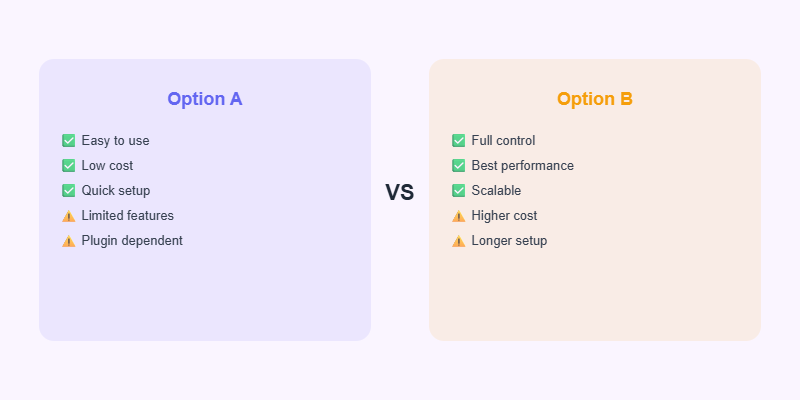
The most common reasons are cost (offshore development rates are typically 60–80 percent lower than Western markets), access to skills (React developers, WordPress specialists, WooCommerce experts available immediately without a recruitment process), and speed (outsourced teams often start within days rather than the weeks a local hire takes).
How to Outsource Web Development: The Process
Define the Project Before You Look for a Developer
Document your requirements: what pages are needed, what functionality is required, what integrations are necessary, and what the site must be able to do. The less clear your brief, the more scope creep and cost overruns you will experience.
Evaluate Candidates Carefully
Review live portfolio sites (not screenshots). Ask for two client references and call them. Request a small paid test task — a component or a minor feature — to assess code quality and communication before committing to a full project.
Structure the Engagement Correctly
Use milestone-based payment (30 percent upfront, 40 percent at midpoint, 30 percent on delivery). Get a written agreement covering scope, timeline, ownership of code, and what happens if either side wants to end the relationship.
Let’s Build Your Next Project
WordPress development, WooCommerce and AI automation — delivered by Softnexis Technologies.
What you can outsource
- New business websites and redesigns.
- E-commerce stores on WooCommerce or Shopify.
- Ongoing maintenance, security updates and speed optimisation.
- Custom plugins, integrations and API work.
- Landing pages and conversion improvements for paid campaigns.
Step-by-step: how to outsource web development safely
- Write a clear brief: goals, audience, pages, features, examples you like and your budget range.
- Shortlist three to five partners: check portfolios, reviews and how quickly they answer.
- Ask for a written proposal: scope, timeline, milestones, price and what is excluded.
- Start with a paid discovery or small task: it shows how the team communicates before a big commitment.
- Agree on milestones and payments: pay in stages tied to approved deliverables.
- Keep ownership: make sure your domain, hosting and code repository are in your name.
- Plan support after launch: agree on response times and a monthly maintenance option.
Common mistakes to avoid
Choosing only on price, skipping a written contract and giving vague feedback are the top reasons outsourced projects fail. Another mistake is handing over every login without a plan; give developers only the access they need and change passwords when the project ends.
Why businesses outsource web development to Pakistan
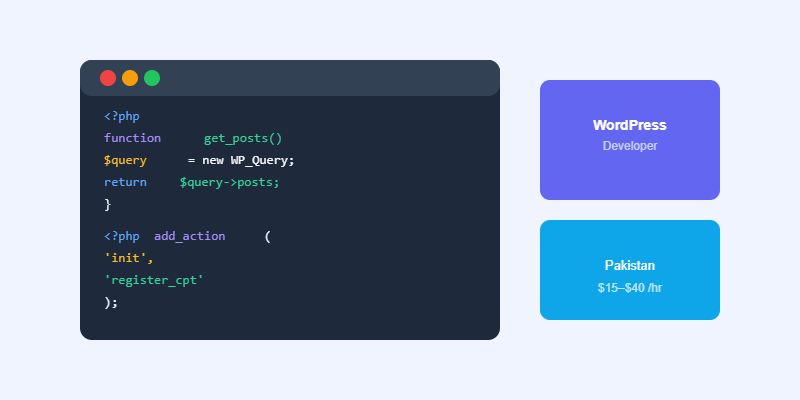
Pakistan has a large pool of experienced developers, strong English skills and working hours that overlap with the UK and Europe, with evening coverage for the USA. Companies typically save 40 to 60 percent compared with local agencies while getting the same modern tools and standards.
Ready to outsource web development to a team you can trust? Tell us about your project and get a written plan within one business day.
Outsource web development: frequently asked questions
Is it cheaper to outsource web development?
Usually yes. When you outsource web development to an experienced team in Pakistan or Eastern Europe, you can save 40 to 60 percent compared with local US or UK rates without losing quality.
How do I protect my project when I outsource web development?
Use a written contract, milestone payments, shared code repositories and regular demos. These steps keep you in control when you outsource web development.
Further reading
For hiring and contracting tips, see the US Small Business Administration guide.